Komodo Agro Tourism — The Definitive Komodo Agrotourism Guide
Welcome to our curated guide on komodo agro tourism — the definitive resource for premium options across Indonesia.
- Authentic farm-stays foster direct cultural exchange.
- Ethical certifications guide responsible operator choices.
- Activities include coffee harvesting, traditional weaving, and culinary workshops.
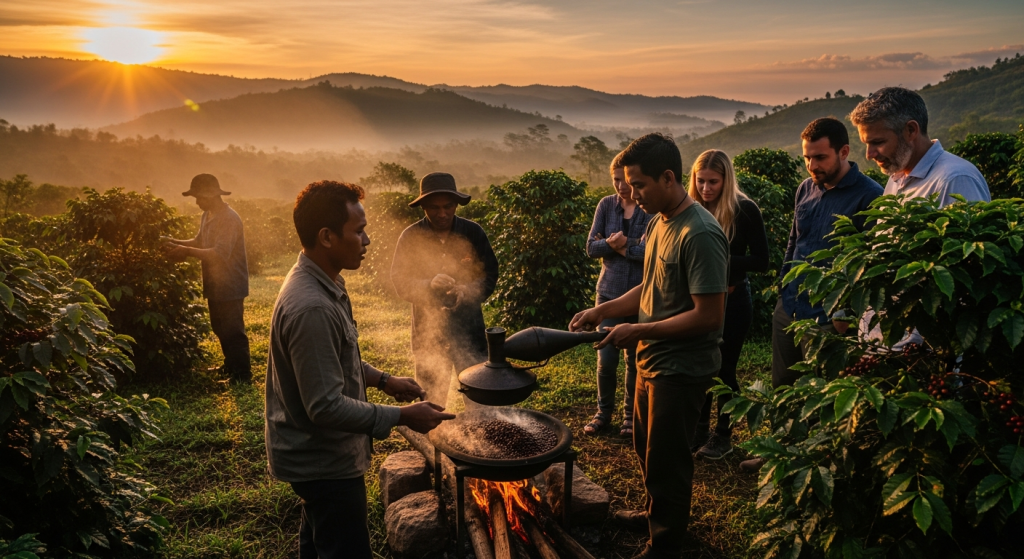
The morning mist lifts over the terraced hills of Flores, revealing precise rows of arabica coffee plants. A faint aroma of woodsmoke mingles with the damp earth, signaling the day’s first activities in a Manggarai village. This is the essence of Komodo agrotourism, an invitation to experience the island’s agricultural heartland, a counterpoint to the famed Komodo dragons.
The Definitive Framework of Komodo Agrotourism
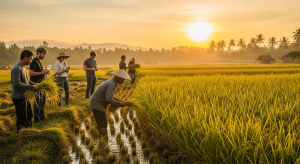
Komodo agrotourism extends beyond a simple farm visit; it represents a comprehensive engagement with Flores’s productive landscapes and the communities that cultivate them. This approach integrates sustainable agriculture, cultural preservation, and responsible tourism, specifically within the Manggarai region of west Flores. Visitors participate directly in daily village life, from tending crops to preparing traditional meals. The focus remains on providing genuine cultural exchange while ensuring economic benefits flow directly to local families. For instance, the Manggaraian people, numbering approximately 700,000 individuals across Flores, maintain distinct agricultural practices passed down through generations. A typical agrotourism farm-stay offers access to these authentic routines, often for a minimum of two nights, fostering deeper connections than day trips allow. Operators adhering to ethical guidelines, such as those certified by the Indonesian Ministry of Tourism and Creative Economy, prioritize fair wages and community empowerment. This ensures that the revenue generated supports local infrastructure and educational initiatives. The concept began gaining traction around 2015, as travelers sought more meaningful interactions beyond conventional beach holidays. Komodo agrotourism encourages a deeper understanding of the region’s socio-economic fabric, where agriculture forms the backbone of daily existence. It stands as a vital component of Flores’s tourism diversification strategy, moving beyond the iconic Komodo National Park, a UNESCO World Heritage Site since 1991, to highlight the island’s rich interior. The average farm-stay involves interactions with at least three generations of a family, offering unique perspectives on local customs and modern challenges faced by rural communities. This holistic model emphasizes education and reciprocity, positioning visitors as active participants rather than mere observers.
The Rhythms of Manggarai Coffee: From Bean to Cup
The Manggarai highlands of Flores produce some of Indonesia’s most prized arabica coffee, a cornerstone of Komodo agrotourism. Coffee cultivation here follows ancient traditions, with smallholder farmers meticulously tending their plots on volcanic slopes. The region around Ruteng, situated at an elevation of approximately 1,200 meters above sea level, is particularly renowned for its microclimates, which impart distinctive flavor profiles to the beans. Harvest season typically runs from May to September, a period when visitors can actively participate in the entire coffee production cycle. This includes hand-picking ripe red cherries, a labor-intensive process that ensures quality. A single coffee tree can yield up to 2 kilograms of cherries per harvest. Following the harvest, visitors learn about the wet processing method, where cherries are pulped, fermented for 12-24 hours, and then washed before drying. The drying process, often on raised beds under the Flores sun, can take 7-14 days, depending on weather conditions. This careful approach results in beans with bright acidity and notes of chocolate and spice. Many agrotourism operators partner directly with cooperatives, like the Manggarai Coffee Farmers Association, which supports over 5,000 local growers. These partnerships guarantee fair trade prices, often 20-30% higher than market rates, directly benefiting the farmers. Learning to roast beans over an open fire, a technique practiced for centuries, offers a sensory experience of the transformation from green bean to aromatic brew. The annual coffee production in Manggarai Regency reached approximately 10,000 tons in 2023, showcasing its economic significance. Engaging in these activities provides guests with an intimate understanding of the dedication required to produce a single cup of Flores coffee, enhancing appreciation for its heritage and taste. Explore more about these journeys on our Komodo Coffee Journeys page.
Traditional Weaving and Community Life: Manggarai Heritage
Beyond its agricultural bounty, Flores preserves a vibrant heritage of traditional weaving, an integral part of Komodo agrotourism. The Manggarai people, particularly women, are skilled artisans who create intricate “songke” fabrics, characterized by their geometric patterns and vibrant colors. Each motif holds cultural significance, often depicting elements of nature, ancestral symbols, or social status. Learning about “songke” weaving offers a direct window into Manggarai cosmology and community values. The process begins with raw cotton or silk threads, dyed using natural pigments derived from plants, roots, and bark. Indigo (Indigofera tinctoria) produces deep blues, while turmeric (Curcuma longa) yields rich yellows. The preparation of these dyes alone can take several days. Weavers then meticulously set up their backstrap looms, a traditional tool that has remained largely unchanged for generations. Creating a single “songke” cloth, measuring approximately 1.5 meters by 0.75 meters, can require 100-200 hours of focused work, depending on the complexity of the design. Visitors to agrotourism sites often have the opportunity to observe these artisans at work, and even attempt basic weaving techniques under their guidance. This interaction fosters respect for the craft and supports its continuation. Villages like Wae Rebo, a UNESCO Memory of the World site since 2012 for its traditional Mbaru Niang houses, are centers for such cultural preservation, though weaving is practiced throughout the region. Purchasing directly from the weavers at the farm-stay ensures fair compensation, typically ranging from IDR 500,000 to IDR 2,000,000 per piece, depending on size and intricacy. This direct trade model empowers local women and helps sustain an art form that is both economically vital and culturally profound. Discover more about these traditions on our Manggarai Weaving Traditions pillar page.
Sustainable Farm-Stays: Connecting with Local Families
The core of Komodo agrotourism lies in its sustainable farm-stays, offering travelers an authentic connection with local Manggarai families. These accommodations are typically simple yet comfortable rooms within family homes or purpose-built bungalows on farm properties, ensuring a genuine cultural exchange. Staying directly with a family provides an unparalleled perspective on daily life, from participating in morning chores to sharing evening meals. Many farm-stays are certified under schemes like the “CHSE” (Cleanliness, Health, Safety, and Environmental Sustainability) program by the Indonesian Ministry of Tourism, assuring guests of high operational standards. A typical farm-stay includes three meals a day, prepared using fresh, locally sourced ingredients, often harvested directly from the farm. This often involves traditional Manggarai cuisine, which emphasizes rice, fresh vegetables, and protein from chicken or fish. The cost for a farm-stay usually ranges from IDR 350,000 to IDR 700,000 per person per night, providing an accessible entry point to ethical tourism. Operators committed to sustainability prioritize minimal environmental impact, utilizing renewable energy sources where possible and implementing waste management practices. For instance, some farms employ composting systems for organic waste and rainwater harvesting for irrigation. The direct economic benefit to the host families is significant, often representing a substantial portion of their annual income. This model avoids the leakage of tourism revenue to external corporations, keeping funds within the local economy. Beyond lodging, farm-stays often include guided walks through rice terraces and coffee plantations, sharing local knowledge about flora and fauna. These experiences are designed for small groups, usually 2-6 guests, ensuring personalized attention and minimizing disruption to village life. Ethical operators, like those featured on komodoagrotourism.com, adhere to principles outlined by organizations such as the Global Sustainable Tourism Council (GSTC), focusing on community welfare and environmental protection. For more details on choosing an ethical stay, visit our Ethical Farm Stays guide.
Navigating Your Komodo Agrotourism Experience: Certifications and Choices
Choosing a Komodo agrotourism operator requires a discerning approach, focusing on ethical practices and verifiable certifications to ensure a truly sustainable journey. Travelers seeking authentic experiences should prioritize transparency and community benefit. Key certifications and affiliations offer a reliable guide. The Indonesian Ministry of Tourism and Creative Economy’s official registration is a baseline, indicating legal operation. For a deeper commitment to sustainability, look for operators certified by international standards, such as those aligned with the Global Sustainable Tourism Council (GSTC) criteria. While direct GSTC certification for individual farm-stays is rare, reputable local partners often demonstrate adherence through their operational policies. For example, some local NGOs partner with farms to implement fair trade principles, ensuring farmers receive at least 15% above conventional market prices for their produce. Researching an operator’s affiliations with local cooperatives, like the Flores Organic Coffee Cooperative, can also indicate a commitment to community welfare. These cooperatives often involve thousands of farmers, providing collective bargaining power and quality control. Reviewing guest testimonials and independent assessments, particularly those highlighting community interaction and environmental stewardship, offers valuable insights. A responsible operator provides clear information about how guest contributions directly benefit local families and conservation efforts. Questions to ask include: How much of my payment goes directly to the host family? Are local guides employed at fair wages? What waste management practices are in place? For example, a reputable operator might allocate 70% of the farm-stay fee directly to the host family, with the remaining 30% covering operational costs and community projects. The distance from Labuan Bajo, the main gateway, to many agrotourism sites like Ruteng is approximately 130 kilometers, a journey that takes 3-4 hours by car. Planning your journey with certified operators ensures safe and responsible travel. By prioritizing certified and transparent operators, travelers actively contribute to the long-term viability of Komodo agrotourism and the prosperity of Flores communities. Indonesia Travel offers additional resources for planning your visit to the region.
Beyond the Farm: Komodo National Park and Flores Exploration
While Komodo agrotourism offers deep cultural and agricultural immersion, the broader Flores landscape presents complementary explorations, most notably the iconic Komodo National Park. This park, established in 1980 and designated a UNESCO World Heritage Site in 1991, spans 1,733 square kilometers, encompassing three major islands—Komodo, Rinca, and Padar—along with numerous smaller islets. It serves as the exclusive habitat for the Komodo dragon (Varanus komodoensis), the world’s largest living lizard, which can grow up to 3 meters in length and weigh over 90 kilograms. A visit to the park, typically departing from Labuan Bajo, involves a 2-3 hour boat journey to Rinca or Komodo Island, where guided treks offer opportunities to observe these ancient predators in their natural environment. The park entrance fee for foreign visitors averages IDR 250,000 to IDR 500,000, depending on the day and activities. Beyond the dragons, the park features exceptional marine biodiversity, making it a premier destination for diving and snorkeling. Its coral reefs host over 1,000 species of fish, 260 species of reef-building coral, and 14 species of whales and dolphins. Pink Beach on Komodo Island, famous for its distinctive sand color derived from microscopic organisms, offers a unique coastal experience. Exploring other parts of Flores, such as the multi-colored crater lakes of Kelimutu volcano near Moni, approximately 350 kilometers east of Labuan Bajo, further enriches the journey. These geological wonders, with their shifting hues, provide a stark contrast to the verdant farmscapes of Manggarai. The island’s diverse ecosystems, from savannas to rainforests, support a wide range of endemic species, complementing the cultural discoveries made through agrotourism. Combining farm-stays with these natural wonders creates a holistic understanding of Flores, showcasing both its human heritage and its wild, untamed beauty. Wikipedia provides extensive details on the park’s ecology and conservation efforts.
The Future of Komodo Agrotourism: Preservation and Prosperity
The trajectory of Komodo agrotourism points towards a future where preservation and prosperity are inextricably linked. As global demand for authentic, sustainable travel grows, Flores stands ready to expand its offerings responsibly. This involves continued investment in local infrastructure, particularly in rural areas, to enhance visitor comfort without compromising local character. For example, improved road networks can reduce travel times, connecting more remote villages to the agrotourism circuit. The development of certified training programs for local guides and hospitality providers ensures high service standards while empowering community members with new skills. These programs often focus on English language proficiency, cultural interpretation, and sustainable tourism principles. The goal is to scale the positive impacts of tourism, distributing benefits more widely across the Manggarai region. Discussions are ongoing to establish a formal “Flores Agrotourism Council” by 2025, which would oversee standards, marketing, and community engagement, much like successful models in other ecotourism destinations. Protecting the natural environment remains paramount. This includes advocating for organic farming practices, minimizing plastic waste, and preserving vital water sources. Many farmers already practice traditional organic methods, shunning chemical fertilizers, a practice that contributes to the unique quality of Flores coffee and rice. The average farm involved in agrotourism typically dedicates 2-5 hectares to cultivation. Future initiatives also focus on diversifying agricultural products offered to visitors, including unique local fruits like salak (snake fruit) and various spices. By fostering strong partnerships between travelers, local communities, and ethical operators, Komodo agrotourism aims to create an enduring legacy of cultural exchange and economic resilience. This commitment ensures that the immersive farm experiences offered today will continue to benefit generations of Manggarai families, securing their heritage and lands for the future.
Engage directly with the heart of Flores. Discover the authentic rhythms of Manggarai life, from the fertile coffee mountains to the intricate weaving looms. Komodo Agrotourism invites you to participate in a journey that respects culture, sustains communities, and leaves an enduring positive impact. Plan your immersive farm-stay today and connect with the true spirit of Indonesia.