Komodo Agrotourism vs Alternatives Comparison
Komodo Agrotourism offers a distinctive luxury travel experience in the Lesser Sunda Islands, blending sustainable agricultural practices with profound cultural immersion and privileged access to the region’s natural wonders. It’s an invitation to engage directly with the land, its people, and the pioneering spirit of a burgeoning eco-conscious destination, far beyond conventional island hopping.
- A unique convergence of luxury, sustainability, and authentic local engagement.
- Direct participation in the region’s agricultural bounty, from coffee to vanilla.
- An intimate alternative to traditional Komodo tours, emphasizing depth over speed.
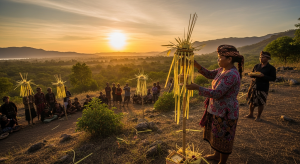
The morning mist still clings to the volcanic peaks, a cool caress against your skin as the aroma of freshly roasted Flores coffee drifts from the open-air kitchen. Below, terraced fields awaken, verdant greens slowly yielding to the golden light of dawn. This isn’t merely a scenic backdrop; it’s the living, breathing heart of your journey. A distant boat horn signals the start of another day on the cerulean waters, yet here, amidst the rustle of leaves and the quiet industry of a working farm, a different narrative unfolds. You are not just observing Indonesia; you are engaging with its earth, its traditions, and its future. As discerning travelers seek experiences that resonate deeper than a postcard, the question naturally arises: where does komodo agro tourism stand amidst the archipelago’s myriad luxury offerings? This comparison is not about superiority, but about alignment—understanding precisely when our unique proposition meets your quest for meaning, and when another path might better serve your wanderlust.
Komodo Agrotourism vs. Traditional Komodo Island Hopping: Beyond the Dragon’s Gaze
For many, the Komodo region conjures immediate images of its iconic resident, the Komodo dragon. Traditional tours often revolve around this singular, magnificent creature, promising a whirlwind itinerary that typically includes a brief encounter on Rinca or Komodo Island, followed by a snorkeling stop at Pink Beach and perhaps a sunset view from Padar Island. These excursions, often condensed into one to three days, are exhilarating in their efficiency, delivering the highlights with a brisk pace. You’ll witness the dragons, perhaps spot a manta ray, and capture those quintessential panoramic shots. However, the experience can feel somewhat detached, a series of spectacular snapshots rather than an immersive narrative. The Komodo National Park, a UNESCO World Heritage Site since 1991, welcomes hundreds of thousands of visitors annually, and the focus remains primarily on its protected wildlife and marine ecosystems. While invaluable, this approach often overlooks the vibrant human mix of the surrounding islands.
In stark contrast, komodo agro tourism offers a deliberate shift in perspective. Here, the Komodo dragon remains a profound draw, but it is integrated into a larger, richer story. Our multi-day programs allow for unhurried visits to the national park, often at times designed to avoid peak crowds, ensuring a more intimate and respectful wildlife encounter. But the core of the experience lies on land. Imagine spending an afternoon alongside local farmers, learning about the cultivation of vanilla, cashews, or the region’s prized Arabica coffee, which thrives at elevations between 800 and 1,200 meters. You’ll understand the intricate processes, from planting to harvest, often occurring between May and July for coffee. This isn’t just a demonstration; it’s an invitation to participate, to connect directly with the source of your food and drink. Our approach fosters a deeper appreciation for the region’s ecological balance, its cultural heritage, and the sustainable livelihoods of its communities. While traditional tours might offer a glimpse of the dragons (estimated population around 3,000 individuals across the park), komodo agro tourism provides the context, the human story, and the agricultural legacy that coexists with these ancient reptiles.
The Pace of Discovery: Rushed Encounters vs. Deliberate Immersion
The fundamental difference between these two approaches lies in their rhythm. Traditional Komodo tours are often a sprint, maximizing sights in minimal time. A typical one-day tour might involve 6-8 hours on a boat, with short stops at each destination. This suits travelers seeking efficiency and iconic photo opportunities. Conversely, komodo agro tourism advocates for a slower, more contemplative journey. Our itineraries are crafted to allow for genuine connection, whether it’s an extended conversation with a local artisan, a hands-on cooking class using ingredients harvested that morning, or a leisurely hike through the agroforestry landscapes. This deliberate pacing allows for absorption, reflection, and a truly personal discovery of the region, emphasizing quality of interaction over quantity of attractions. It’s an experience designed for those who believe true luxury is found in depth, authenticity, and the luxury of time.
Komodo Agrotourism vs. Bali’s Cultural & Wellness Sanctuaries: A Different Rhythm of Serenity
Bali, often dubbed the “Island of the Gods,” has long been Indonesia’s most celebrated luxury destination. Its allure is undeniable: world-class resorts, spiritual retreats in Ubud, vibrant beach clubs in Seminyak, ancient Hindu temples, and a deeply ingrained culture of wellness and artistry. Millions of international tourists flock to Bali annually, drawn by its established infrastructure, diverse offerings, and the promise of a serene escape combined with sophisticated amenities. You can find Michelin-starred dining, bespoke spa treatments, and yoga studios perched over emerald rice paddies. The island’s cultural performances, from Barong dances to Kecak chants, are renowned globally. However, with its immense popularity comes a certain level of development and, at times, crowds, particularly in the more well-known areas. The luxury here is often polished, perfected, and readily accessible, a testament to decades of tourism evolution.
Komodo Agrotourism, while offering an equally luxurious experience, presents a distinctly different proposition. We operate in a region that is, by comparison, still emerging on the global luxury tourism map, offering a sense of pioneering discovery. The luxury here is not about elaborate, sprawling resorts, but about exclusivity, authenticity, and a profound connection to the land and its people. Instead of bustling streets, you’ll find quiet villages where traditional weaving practices, passed down through generations, are still a daily rhythm. Our culinary experiences emphasize farm-to-table dining, often using ingredients sourced directly from our own sustainable farms or nearby communities. This offers a transparency and freshness that is distinctive. While Bali’s wellness focuses on established spa traditions, our approach integrates physical activity with agricultural engagement, whether it’s a gentle hike through a vanilla plantation or assisting with a coffee bean sorting. This provides a different kind of rejuvenation—one rooted in active participation and a tangible connection to nature’s bounty. The Komodo region, with its raw, untamed beauty and the developing infrastructure, offers a luxury that feels less curated and more organic, a true escape for those seeking to be among the first to experience its unique charm.
Authenticity and Access: Well-Trodden Paths vs. Uncharted Elegance
The choice between Bali and Komodo Agrotourism often boils down to a preference for a well-trodden, perfected path versus a journey into uncharted elegance. Bali offers a highly refined, yet sometimes generalized, luxury experience. Its established tourism industry means a vast range of choices, but also a certain degree of homogenization. Komodo Agrotourism, by contrast, provides an intimate, bespoke experience that feels deeply personal. Our guest capacity is intentionally limited to ensure an exclusive atmosphere and minimal environmental impact. You won’t encounter large tour groups here; instead, you’ll find genuine interactions with local families, artisans, and farmers, offering insights into their daily lives and traditions. This level of access and authenticity is a hallmark of our offering, appealing to the traveler who values discovery, cultural exchange, and a sense of contributing to a sustainable future in a less-developed, yet equally captivating, part of Indonesia. Our commitment to sustainability is not just a marketing phrase; it’s woven into every aspect of our operations, from our solar power initiatives to our local employment rate, which stands at over 90%.
Komodo Agrotourism vs. Raja Ampat’s Underwater Wonders: Surface Secrets vs. Subaquatic Splendor
Raja Ampat, set in West Papua, is globally renowned as the epicenter of marine biodiversity, often referred to as the “Amazon of the Ocean.” Its allure is almost exclusively subaquatic, attracting serious divers and snorkelers from around the world. Here, the luxury experience often centers on liveaboard vessels, navigating pristine waters to access kaleidoscope reefs teeming with over 1,500 species of fish, 500 species of coral, and countless other marine creatures. The remote islands are rugged, sparsely populated, and offer limited land-based activities beyond short treks to viewpoints or birdwatching. The focus is singular: exploring the underwater realm, often a multi-day commitment requiring significant travel to reach. The sheer scale of its marine life is unparalleled, making it the ultimate pilgrimage for those whose passion lies beneath the waves.
Komodo Agrotourism, while also boasting proximity to the rich waters of Komodo National Park—itself a marine biodiversity hotspot—presents a broader, more balanced spectrum of experiences. While we offer exceptional snorkeling and diving opportunities, with access to vibrant reefs and manta ray cleaning stations often within a 30-minute boat ride from our base, these marine excursions are integrated into a holistic journey that equally emphasizes terrestrial engagement. Our focus extends to the living culture of the islands, the sustainable agricultural practices that define the landscape, and the unique history of the region. Imagine a morning spent harvesting fresh produce from our gardens, followed by an afternoon exploring a pristine coral garden. Or a day dedicated to understanding the intricate process of vanilla cultivation, culminating in a sunset cruise that reveals the dramatic coastline from a different perspective. The luxury of Komodo Agrotourism lies in this dual immersion: the secrets of the land revealed alongside the splendors of the sea. We cater to the traveler who appreciates the full spectrum of nature’s bounty, not just its aquatic dimension, offering a comprehensive and deeply connected experience that Raja Ampat, by its very nature, cannot fully provide.
The Canvas of Exploration: Terrestrial Richness vs. Oceanic Depths
The choice between Raja Ampat and Komodo Agrotourism is essentially a decision about your primary canvas of exploration. If your ultimate dream involves spending every possible moment submerged, discovering new species and navigating unparalleled underwater landscapes, Raja Ampat is your undisputed destination. Its remote location and specialized infrastructure are tailored for this specific pursuit. However, if your vision of luxury travel encompasses a richer, more diverse tapestry—where the vibrant ecosystems of the land, the authentic rhythms of local life, and the bounty of sustainable agriculture are as compelling as the underwater spectacle—then Komodo Agrotourism offers a more encompassing narrative. We provide the opportunity to understand the intricate connections between the land and the sea, to engage with the communities whose lives are intertwined with both, and to experience a unique blend of adventure, culture, and sustainable living that celebrates the entire ecosystem, above and below the surface.
Komodo Agrotourism vs. Sumba’s Remote Luxury & Equestrian Culture: Rugged Grandeur vs. Cultivated Grace
Sumba, an island of dramatic savannas, ancient megalithic tombs, and a powerful equestrian heritage, offers a distinct brand of luxury that is both rugged and profoundly spiritual. Famous for its iconic resorts that blend seamlessly into the wild landscape, Sumba attracts a discerning clientele seeking extreme privacy, world-class surfing, and a deep dive into an animistic culture centered around its revered horses. The annual Pasola festival, a ritualistic bareback cavalry charge, held typically in February or March, is a powerful display of Sumbanese tradition. Luxury in Sumba often involves bespoke experiences like private horse treks across expansive plains, visits to traditional villages with their distinctive peaked-roof houses, and exploring hidden waterfalls. It’s a destination for those who appreciate raw, untamed beauty and a profound connection to ancient, living traditions, often with an emphasis on the dramatic and the grand.
Komodo Agrotourism, while also offering a connection to authentic Indonesian culture and natural beauty, presents a different facet of luxury. Instead of the dramatic, untamed grandeur of Sumba, we offer a cultivated grace—a luxury rooted in the intentionality of sustainable living and the bounty of the land. Our focus is not primarily on equestrian culture or ancient megaliths, but on the active, living heritage of agricultural communities. You won’t just observe traditions; you’ll participate in them. This could mean learning the art of fermentation for cocoa beans, understanding the intricate process of organic vegetable cultivation, or contributing to the lifecycle of a vanilla plant. The luxury here is in the hands-on engagement, the transparency of the production process, and the direct contribution to local livelihoods. While Sumba’s resorts offer a retreat into wild luxury, komodo agro tourism offers an immersion into productive, sustainable luxury. Our experiences provide a unique blend of learning, contribution, and indulgence, appealing to those who seek a more active, purpose-driven form of relaxation. We believe true luxury can be found in the quiet satisfaction of growing, harvesting, and sharing the earth’s gifts, rather than simply consuming them.
Engagement and Legacy: Witnessing Tradition vs. Participating in Growth
The core distinction between Sumba and Komodo Agrotourism lies in the nature of engagement. Sumba invites you to witness and appreciate its ancient traditions and rugged beauty from a luxurious vantage point. It’s about observing a powerful, enduring culture. Komodo Agrotourism, on the other hand, invites you to participate in a living, evolving culture centered around sustainable growth and agricultural innovation. Our guests are not just spectators; they are temporary custodians of the land, learning about and contributing to practices that ensure a vibrant future for the local communities. This creates a different kind of legacy from your travels—one that extends beyond personal memories to a tangible impact on the region. Our commitment to empowering local communities is evident in initiatives like providing fair wages and training, which directly benefits families in the surrounding villages, fostering economic resilience and cultural preservation.
Komodo Agrotourism vs. The Allure of Java’s Historic & Volcanic Landscapes: Ancient Echoes vs. Living Heritage
Java, Indonesia’s most populous island, is a collection of ancient history, spiritual monuments, and dramatic volcanic landscapes. Destinations like Yogyakarta serve as gateways to the majestic Borobudur Temple, a 9th-century Buddhist masterpiece and a UNESCO World Heritage Site, and the equally impressive Hindu temple complex of Prambanan. Further east, the active volcanoes of Mount Bromo and Ijen Crater offer striking sunrises and ethereal blue flames, drawing adventurers and photographers alike. The luxury experience in Java often centers around expertly guided historical tours, stays in opulent colonial-era hotels, and expeditions to witness the raw power of nature. It’s a journey steeped in the grandeur of ancient kingdoms and the geological forces that shaped the archipelago, offering a profound sense of scale and historical depth.
Komodo Agrotourism, while perhaps lacking the monumental scale of Borobudur or the dramatic geological spectacle of Bromo, offers a different, yet equally profound, connection to Indonesia’s heritage. Our focus is not on observing the echoes of a distant past, but on engaging with a living, evolving heritage rooted in the land and its people. Here, the history is not confined to stone structures; it’s alive in the agricultural practices passed down through generations, in the traditional culinary techniques, and in the sustainable innovations that are shaping the region’s future. Instead of marveling at ancient carvings, you might learn the traditional methods of cultivating local spices or understand the intricate process of creating organic fertilizer from farm waste. Our luxury is found in the intimacy of these experiences, the direct interaction with the people who are actively preserving and evolving their culture through sustainable living. While Java offers a window into the past, komodo agro tourism invites you to participate in the present and co-create a sustainable future. Our project, established in 2018, is a testament to this forward-looking vision, blending tradition with modern eco-conscious practices.
The Narrative of Travel: Observing the Past vs. Co-Creating the Future
The choice between Java and Komodo Agrotourism hinges on whether your travel narrative is one of observing the past or actively co-creating the future. Java provides an unparalleled opportunity to witness the magnificent achievements of ancient civilizations and the awe-inspiring power of nature. It’s a journey of historical reverence and geological wonder. Komodo Agrotourism, conversely, offers a narrative of active participation and sustainable development. It’s about understanding the challenges and triumphs of modern communities striving for a balanced existence, and contributing to that journey through your engagement. You leave not just with memories of grand sights, but with a deeper understanding of sustainable agriculture, local culture, and the satisfaction of having been part of a forward-thinking initiative. This distinct value proposition appeals to the conscious traveler who seeks to learn, to contribute, and to experience luxury that is both indulgent and impactful, fostering a profound connection to the living, breathing heart of Indonesia. Explore more about our initiatives and their impact on our sustainability page.
The Discerning Traveler’s Compass: When Komodo Agrotourism Beckons
Having navigated the diverse mix of Indonesia’s luxury offerings, the path to choosing your next extraordinary journey becomes clearer. Komodo Agrotourism is not for every luxury traveler, and that is precisely its strength. We cater to a specific, discerning individual—one who seeks more than just opulence and picturesque views. When should your compass point towards us?
Choose komodo agro tourism if your ideal luxury experience involves a profound, hands-on connection to the land and its people. If you yearn to understand the provenance of your food, to participate in