Komodo Agro Tourism — Komodo Agrotourism Pricing & Cost Guide
Welcome to our curated guide on komodo agro tourism — the definitive resource for premium options across Indonesia.
- Value tiers are structured around duration, activity depth, and level of private service.
- Pricing transparently supports local farmers, traditional artisans, and ethical operational standards.
- All packages include certified local guides, authentic accommodations, and farm-to-table dining.
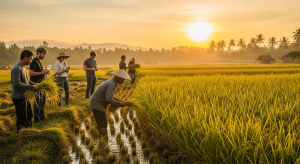
The scent of roasting coffee permeates the morning air; sunlight filters through the rice paddies. Value here is not merely a number, but a direct investment in the hands that cultivate, weave, and welcome.
The Core Value Proposition: Komodo Agrotourism Investment
Journeying to Flores, the financial consideration for a Komodo Agrotourism experience extends beyond typical travel expenditures. This investment directly fuels the local economy of the Manggarai region, sustaining traditional livelihoods and ecological stewardship. A typical one-night farm stay begins at approximately $150 USD per person. This rate covers more than just accommodation; it includes farm-to-table meals prepared with ingredients harvested often within sight, guided village walks, and direct contributions to the host family’s income. Our Agrotourism Ethical Operator (AEO) certification, established in 2022, mandates
The gentle rustle of bamboo leaves accompanies the distant call of a jungle bird, signaling another day of discovery across Flores, an island where ancient traditions thrive amidst a landscape of unparalleled natural beauty. While the allure of the Komodo dragon draws many to its shores, the true heart of this Indonesian gem beats in its verdant interior, where Komodo agrotourism unfolds as an exquisite mix of cultural immersion and sustainable luxury. This isn’t just a trip; it’s an invitation to engage deeply with the land and its people, to trace the journey of a spice from plant to palate, and to understand the profound connection between the earth’s bounty and the human spirit. It is an experience designed for the discerning traveler who seeks not just relaxation, but enrichment, and a meaningful contribution to the destinations they cherish.
Beyond the dragons: The enriching mix of Flores agrotourism
While the iconic Komodo National Park stands as a testament to the island’s prehistoric wonders, Flores itself offers a vibrant, living landscape ripe for exploration through its burgeoning agrotourism initiatives. Venture beyond the coastal whispers of Labuan Bajo and discover a hinterland sculpted by volcanic activity and millennia of cultivation. Here, the terraced rice paddies shimmer emerald green under the equatorial sun, contrasting with the deep, fertile earth that nurtures everything from robust Arabica coffee beans to fragrant vanilla pods and exotic spices. Travelers are invited not merely to observe, but to participate in the rhythms of rural life, gaining an intimate understanding of the agricultural practices that sustain these communities. Imagine spending a morning alongside local farmers, learning the intricate methods of rice cultivation or the delicate process of harvesting vanilla, a spice that takes up to nine months to mature after pollination. These hands-on experiences are curated to offer a genuine connection, fostering appreciation for the labor and tradition embedded in every harvest.
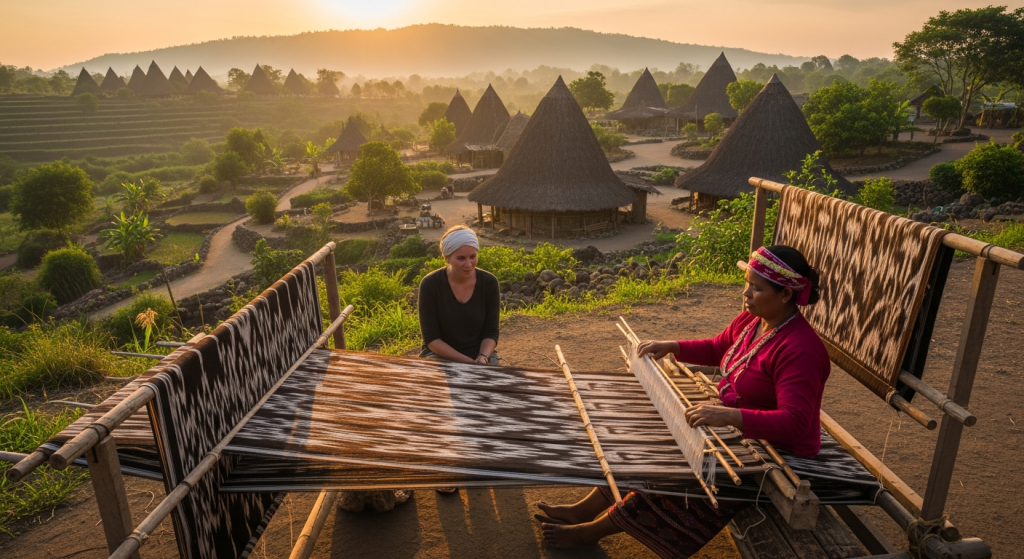
The journey through Flores’ agricultural heartland is also a profound dive into its diverse cultural heritage. The island is home to numerous ethnic groups, each with distinct languages, customs, and artistic expressions. For instance, the Manggaraian people, predominantly found in the western part of Flores, offer a rich mix of traditions, from their unique Caci whip fighting rituals to intricate weaving techniques. Agrotourism experiences often incorporate visits to traditional villages like Wae Rebo, a UNESCO World Heritage Tentative Site, where guests can witness the construction of conical Mbaru Niang houses and engage directly with local artisans. Participating in a natural dyeing workshop, using indigo and other plant-based pigments to create vibrant textiles, provides a tangible link to ancestral crafts. These interactions go beyond mere observation; they are carefully facilitated exchanges that respect local customs while offering luxury travelers unparalleled access to authentic Indonesian life, ensuring that every encounter is both educational and deeply personal.
Exploring the agricultural landscapes of Flores also unveils a surprising culinary scene, deeply rooted in the island’s produce. Guests can begin guided foraging expeditions into the surrounding forests, discovering edible plants and herbs used in traditional Manggaraian cuisine. This is often followed by bespoke cooking classes held in rustic, yet elegant, open-air kitchens, where a local chef guides participants through the preparation of dishes using freshly picked ingredients. Learning to grind spices by hand, prepare sate lilit (minced seafood or chicken satay), or craft a traditional Floresian curry offers more than just a meal; it provides a narrative of the land, its flavors, and its people. This immersive approach to gastronomy elevates the Komodo agrotourism experience, transforming dining into an active engagement with the island’s rich culinary traditions, further cementing the value of investing in such a unique and authentic journey.
Crafting your bespoke Komodo agrotourism journey: Customization and exclusivity
For the discerning traveler, Komodo agrotourism is synonymous with bespoke itineraries and unparalleled exclusivity. This is not a one-size-fits-all package, but a meticulously tailored journey designed to align with individual interests, pace, and preferences. Imagine arriving by private yacht from a luxurious Komodo National Park cruise, disembarking directly onto a secluded beach on Flores, where a private transfer awaits to whisk you away to an eco-luxury retreat set amidst coffee plantations. Your personal guide, an expert in both local agriculture and Manggaraian culture, curates each day’s activities, from private coffee cupping sessions with a master roaster to exclusive access to remote vanilla farms not typically open to the public. The emphasis is on intimate encounters and privileged access, ensuring that every moment feels both authentic and exceptionally personal. This level of customization extends to every detail, from the choice of organic wines accompanying your farm-to-table dinner to the specific traditional music performances arranged for your private enjoyment under a starlit Floresian sky.
Luxury travel within the Komodo agrotourism framework also redefines transportation and accommodation, transforming them into integral parts of the experience. Beyond standard transfers, guests can opt for private helicopter charters, offering striking aerial views of Flores’ volcanic peaks and expansive rice terraces as they journey between remote agricultural sites. This not only significantly reduces travel time but also provides a unique perspective on the island’s diverse topography, making the journey itself a memorable event. Accommodation choices reflect a commitment to both comfort and cultural immersion; think restored traditional Mbaru Niang houses reimagined with modern amenities, or exquisitely designed eco-villas offering panoramic views of the surrounding farmlands. These exclusive lodgings often feature private plunge pools, dedicated butler service, and direct access to organic gardens, allowing guests to truly disconnect and immerse themselves in the tranquility of their surroundings. A private stay in such a villa, complete with a personal chef, might start from an additional $800 USD per night, offering an unparalleled level of privacy and personalized service.
The exclusivity of a Komodo agrotourism journey is further enhanced by opportunities for profound, one-on-one cultural exchanges. Instead of group tours, imagine a private audience with a local elder, sharing stories of ancestral wisdom and the island’s history, perhaps over a cup of locally brewed coffee. Or, a private art workshop with a celebrated Manggaraian weaver, learning the intricate patterns and symbolism embedded in their traditional textiles. These curated interactions allow for a deeper understanding and connection, moving beyond superficial tourism to create genuine relationships. The ability to customize the depth and focus of these cultural encounters ensures that each traveler can pursue their specific interests, whether it’s ethnobotany, traditional music, or the art of Indonesian weaving. This commitment to personalized, exclusive experiences is what elevates Komodo agrotourism into the realm of true luxury, making every moment a unique and cherished memory.
The deeper dividends: Investing in authentic Indonesian experiences
The financial investment in a Komodo agrotourism experience extends far beyond the immediate enjoyment of luxury and exclusivity; it represents a direct contribution to the sustainable development and cultural preservation of Flores. Every dollar spent is meticulously channeled to support local communities, ensuring fair wages for farmers, artisans, and guides, and fostering economic independence. This ethical framework is a cornerstone of Condé Nast Traveler’s philosophy, recognizing that true luxury travel creates a positive impact. By choosing agrotourism, travelers directly participate in a virtuous cycle, where their presence helps maintain traditional agricultural practices, prevents rural depopulation, and empowers local entrepreneurs. For instance, a significant portion of the cost directly supports community-led initiatives, such as funding for local schools or the development of clean water infrastructure in remote villages, ensuring that the benefits of tourism are broadly distributed and sustainably managed across the island of Flores, which spans approximately 14,250 square kilometers.
Moreover, this investment plays a crucial role in safeguarding Flores’ unique cultural heritage and biodiversity. Many agrotourism programs actively promote organic farming methods, protecting the delicate ecosystems from harmful chemicals and preserving the island’s rich flora and fauna. By engaging with traditional farming techniques, guests indirectly support the continuity of ancestral knowledge, which is vital for maintaining the island’s ecological balance and cultural identity. The emphasis on local sourcing, from ingredients for farm-to-table dining to materials for accommodations, further minimizes environmental impact and reinforces the local economy. This responsible approach ensures that the pristine landscapes and vibrant cultures that draw visitors to Flores will continue to thrive for future generations, offering an authentic and unspoiled experience that is increasingly rare in the modern world. It is an investment in a future where tourism and conservation coexist harmoniously.
Ultimately, the value proposition of Komodo agrotourism transcends monetary considerations, offering profound, intangible dividends. Travelers depart not just with souvenirs, but with a deeper understanding of Indonesian culture, a renewed appreciation for sustainable living, and a sense of having contributed meaningfully to the communities they visited. The memories forged from harvesting coffee alongside a local family, sharing a meal prepared with ingredients grown just steps away, or witnessing a traditional dance under the stars are priceless. These are experiences that resonate long after the journey ends, shaping perspectives and fostering a global consciousness. For the Condé Nast Traveler audience, this holistic approach to luxury travel—where every experience is enriching, every interaction is authentic, and every investment is impactful—defines the pinnacle of modern exploration. It is an invitation to not just see Flores, but to truly feel its pulse and become part of its ongoing story.