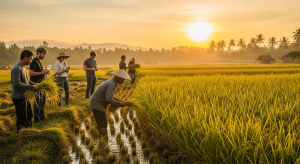
The Best Time of Year for Komodo Sustainable Farm Stays
- Optimal Weather: Expect clear skies, minimal rainfall (under 50mm per month), and calmer seas for island hopping.
- Peak Harvest Season: Key crops like coffee and cashews are harvested, providing immersive farm-to-table experiences.
- Enhanced Wildlife Sightings: Drier conditions lead to increased Komodo dragon activity and excellent visibility for diving and snorkeling.
The air is thick with the scent of salt and sun-baked earth. From the open-air pavilion of your private villa, you watch the meticulous process of coffee beans being raked across drying patios, the sound a gentle, rhythmic whisper against the backdrop of the Flores Sea. This is not just a vacation; it is a deep, sensory immersion into the agricultural heartbeat of the islands. Choosing when to arrive is the first, and perhaps most critical, decision in crafting your journey. The archipelago, a collection of 29 volcanic islands, operates on a rhythm dictated by two powerful monsoons, each transforming the landscape and the very essence of a stay here. Understanding this cadence is the key to unlocking the most profound experiences that komodo agro tourism has to offer.
Decoding Komodo’s Two-Season Climate
Unlike the four-season calendar many of us are accustomed to, the Komodo National Park region, a designated UNESCO World Heritage site since 1991, is governed by a simple yet dramatic duality: the dry season and the wet season. This binary climate system dictates everything from the color of the savannah-like hills to the temperament of the sea. The dry season, which typically runs from April through October, is the period most travelers gravitate towards. During these months, daytime temperatures hover consistently between 30-33°C (86-91°F), and rainfall is scarce, often less than 20 millimeters for the entire month of August. This translates to uninterrupted sunny days, ideal for trekking, and placid sea conditions, which are critical for the two-to-three-hour boat journeys to iconic spots like Rinca and Padar islands. The visibility underwater is also at its peak, often exceeding 30 meters, making it a premier time for divers. This is the Komodo you see in photographs: arid, golden hills contrasting with a turquoise ocean. It’s the high season for a reason, offering reliability and access to the full spectrum of the region’s wonders.
Conversely, the wet season arrives with the northwest monsoon winds around November and persists until March. This period sees a dramatic shift. Monthly rainfall can exceed 200 millimeters, particularly in January and February, and the humidity climbs. While this might sound prohibitive, it’s more a matter of perspective. The rains are often intense but short-lived, typically occurring as afternoon downpours that leave the air clean and the landscape glistening. The parched hills transform into a vibrant, emerald green, a spectacle few visitors get to witness. The challenge lies in the seas, which can become rough and unpredictable, sometimes leading to canceled boat trips. For those interested in the agricultural core of our definitive Komodo agrotourism guide, this is the growing season—a time of fecundity and renewal on the farms, offering a different, yet equally compelling, reason to visit.
The Peak Dry Season (June to August): A Time of Abundance and Activity
For the traveler who seeks the quintessential Komodo experience, the window from June to August is the undisputed peak. This is when all the elements align to present the archipelago at its most accessible and dynamic. On the agricultural front, this period is a hive of activity. It marks the height of the Robusta and Arabica coffee harvest in the highlands of Flores, the large island east of Komodo. Our partner farms are deep in the process of picking, drying, and sorting the ruby-red coffee cherries. A stay during these months allows for direct participation in this process, an experience that connects you viscerally to your morning cup. The air in the villages is perfumed with the sweet, earthy scent of sun-drying beans. Beyond coffee, various spice and fruit harvests are also underway. It is a time of tangible productivity, where the connection between the land and the local economy is on full display. The cost of such an immersive experience is detailed in our Komodo Agrotourism Pricing & Cost Guide, which outlines how these seasonal activities shape our bespoke itineraries.
This seasonal peak extends to the region’s famed wildlife. The cooler, nutrient-rich waters drawn by ocean currents create a plankton boom, attracting Manta Rays in significant numbers to cleaning stations like Manta Point. Divers and snorkelers can expect encounters with dozens of these majestic creatures, some with wingspans exceeding 5 meters. On land, the Komodo dragons (Varanus komodoensis) are particularly active. The dry conditions concentrate them around the few remaining waterholes, making sightings more predictable for guided treks on Rinca Island. Furthermore, July and August are the heart of the dragons’ mating season, a time of dramatic territorial disputes and courtship rituals among the males. While this activity brings a surge in visitors—the park recorded over 18,000 visitors in August 2019 alone—our exclusive farm stays provide a serene sanctuary away from the day-tripping crowds, ensuring an intimate connection with this primal landscape.
The Shoulder Seasons (April-May & September-October): The Connoisseur’s Choice
For the seasoned traveler, the true magic often lies just outside the peak. The shoulder months of April-May and September-October represent what many insiders consider the absolute best time for Komodo sustainable farm stays. This is when you find the perfect equilibrium between favorable weather, fewer people, and unique ecological transitions. In April and May, the islands are still cloaked in a residual green from the wet season, but the rains have subsided, leaving behind clean air and brilliantly clear skies. The landscape is arguably at its most photogenic, a lush contrast to the starker, drier beauty of the peak season. The tourist numbers have not yet swelled, meaning you might find yourself as one of only a handful of visitors at sunset on Padar Island’s famous viewpoint, a privilege that is almost unheard of by July. This period also marks the beginning of the harvest for certain early crops, offering a quieter, more personal introduction to the region’s agricultural rhythms.
The later shoulder season, from September to October, offers a different allure. The land is now at its driest, a palette of gold, ochre, and brown that evokes the African savannah. The heat is intense, but the crowds have thinned significantly. This is a prime time for cashew harvesting, a fascinating process involving the careful separation of the nut from its toxic shell and the sweet cashew apple. On our partner farms, you can witness and even assist in the traditional roasting methods. The marine conditions remain superb, with water temperatures still a balmy 28°C (82°F) and excellent visibility. It is also a period when migratory species, including the occasional whale shark, are known to pass through the nutrient-rich straits. For those seeking solitude and a more contemplative connection with both the land and sea, these months deliver an unparalleled sense of exclusivity and discovery.
Embracing the Wet Season (November to March): A Greener Perspective
To dismiss the wet season entirely would be to miss a vital chapter of Komodo’s story. From November to March, the archipelago undergoes a profound transformation. This is the “emerald season,” a term coined by luxury travel connoisseurs to reframe what was once considered the “off-season.” For those whose primary interest lies in the “agro” component of komodo agro tourism, this period is revelatory. It is the season of planting and growth, a time to witness the foundations of the harvests to come. Participating in the planting of heritage rice varieties or tending to young vanilla orchids offers a different kind of satisfaction—a connection not to the finished product, but to its very genesis. The farms are alive with the promise of future abundance, and the local communities are focused on the foundational work of their agricultural year. As our guide, Heri, a third-generation farmer from a village near Ruteng, explains, “The rain is a blessing. It is the start of everything. To see the land drink is to see its future.”
Of course, a wet season visit requires a certain mindset and flexibility. The seas can be formidable, and boat crossings must be planned with a careful eye on the forecast. Some trekking trails may become muddy and more challenging. However, the rewards are substantial. Visitor numbers plummet by as much as 70% compared to the August peak. The result is an experience of profound tranquility. The clouds create dramatic, painterly skies, leading to some of the most spectacular sunsets of the year. The electrical storms that roll in over the ocean at night are a humbling display of nature’s power, best viewed from the comfort of your private lodge. For the dedicated photographer, the artist, or the returning visitor seeking a new perspective, the wet season reveals a softer, more introspective, and intensely verdant side of Komodo.
Aligning Your Visit with Specific Farm-to-Table Experiences
A truly luxurious journey is one of intention. Timing your visit to coincide with a specific agricultural event elevates a trip from a sightseeing tour to a deeply personal, hands-on experience. The archipelago’s agricultural calendar is rich and varied, offering unique opportunities throughout the year. The Flores coffee harvest, for instance, peaks between July and September. During this time, you can walk through the shaded plantations, learning to identify the perfectly ripe, crimson cherries. You can then spend an afternoon working alongside local families, mastering the “wet-hulled” (giling basah) processing method unique to Indonesia, a technique that contributes to the coffee’s full body and low acidity. Further into the dry season, from September to October, the focus shifts to cashews. This is a chance to understand the intricate and labor-intensive process of safely harvesting and roasting these valuable nuts, a cornerstone of the local economy.
For the epicurean, nothing compares to the vanilla season. While the flowering and hand-pollination occur earlier, the critical curing process often takes place mid-year. Witnessing green, odorless pods transform over several months into the fragrant, black vanilla beans prized by chefs worldwide is a lesson in patience and craftsmanship. As noted by Indonesia’s official tourism board, the nation is the world’s second-largest vanilla producer, and the quality from Flores is exceptional. Beyond the land, the sea offers its own bounty. Sustainable seaweed farming is a year-round activity in many coastal villages, and guests can learn how this crucial commodity is cultivated and dried. Engaging with these specific, tangible processes—the very heart of our **komodo sustainable farm stays**—creates memories that are not just seen, but felt, smelled, and tasted. It’s an approach that turns a simple vacation into a meaningful cultural and culinary education.
Quick FAQ: Planning Your Komodo Sustainable Farm Stay
What is the single best month for a balanced trip?
For a perfect blend of lush landscapes, excellent weather, and manageable crowd levels, we recommend May or September. These shoulder months offer the best of both worlds: the tail-end of the green season’s beauty in May, and the beautiful golden hues of the late dry season in September, all with far greater tranquility than July or August.
How far in advance should I book for the peak season?
For travel between June and August, we strongly advise booking 9 to 12 months in advance. Our unique, small-scale farm stay experiences are limited, and demand is exceptionally high. This lead time ensures we can secure your preferred accommodations and craft a truly bespoke itinerary, from private boat charters to exclusive culinary workshops.
Is the wet season suitable for a first-time visitor?
It can be, provided you have the right expectations. If your primary goal is to see Komodo dragons and visit Padar Island, the dry season is a more reliable choice. However, if you are a returning visitor or your focus is on the cultural and agricultural immersion of a farm stay, the wet season (November-March) offers a unique, crowd-free, and incredibly lush experience. Be prepared for potential itinerary changes due to weather.
Does the season affect the cost of a Komodo agrotourism experience?
While our core farm stay rates are consistent year-round to ensure fair wages for our community partners, external costs can fluctuate. Flights to Labuan Bajo (LBJ) and private boat charter fees can be 20-30% higher during the peak months of July and August compared to the low season. You can explore options and secure your ideal dates when you book your Komodo Agrotourism journey with us.
Ultimately, the “best” time to visit is a personal equation, a balance between your tolerance for heat, your desire for solitude, and your specific interests, be they in the mating rituals of dragons or the delicate art of vanilla curing. Each season writes a different story upon the landscape. The dry months offer clarity and boundless activity, while the wet season offers introspection and a rare, verdant beauty. The constant is the warmth of the local communities and the profound connection to the land that defines this remarkable corner of the world. Ready to cultivate your own perfect Komodo journey? Explore our exclusive **komodo agro tourism** experiences and let us help you choose the season that speaks to you.