Best Time for Komodo Agrotourism
Komodo Agrotourism offers a distinctive luxury travel experience in Indonesia, seamlessly blending sustainable agricultural practices with high-end cultural immersion. It provides an exclusive opportunity to engage with local farming communities, savor gourmet produce cultivated in the fertile volcanic soil, and discover the authentic flavors of the Lesser Sunda Islands, all while enjoying unparalleled comfort and bespoke service.
- Experience farm-to-table dining with rare local ingredients.
- Engage with sustainable farming initiatives and traditional methods.
- Discover the unique cultural heritage intertwined with the land.
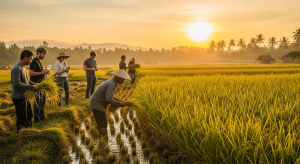
Imagine the gentle caress of a morning breeze carrying the scent of exotic spices – vanilla, cloves, and robust coffee beans – across terraced hillsides. Sunlight, still soft and golden, illuminates lush green fields stretching towards a sapphire sea where Komodo dragons roam. This is the promise of Komodo, an archipelago where ancient landscapes meet pioneering luxury agrotourism. Here, every visit is an immersion, a sensory journey into the heart of Indonesian heritage and innovation. Choosing the ideal moment to begin your Komodo adventure is not merely about avoiding rain; it’s about aligning your desires with the rhythm of this extraordinary land, ensuring every moment, from a private coffee tasting to a sunset cruise, is perfectly calibrated for your discerning taste.
The Dry Season Zenith: May to September (Peak Luxury & Wildlife)
For many, the dry season represents the pinnacle of travel to Komodo, and for good reason. From May through September, the weather is consistently spectacular, offering clear, azure skies, minimal humidity, and abundant sunshine. Average daily temperatures hover around a comfortable 28°C (82°F), creating ideal conditions for exploring both the terrestrial wonders and the vibrant underwater world. This period is when the landscapes, while turning golden in parts, still retain a verdant freshness from the preceding rains, especially in the early months. Marine conditions are at their absolute best, with exceptional visibility often exceeding 25-30 meters (80-100 feet). The seas are typically calm, making boat transfers between islands smooth and enjoyable, perfect for accessing remote agro-estates or embarking on world-class diving and snorkeling excursions around destinations like Pink Beach or Manta Point.
Naturally, these idyllic conditions attract the highest volume of visitors. However, for the luxury traveler, this means a wider range of high-end services are fully operational, from private yacht charters to exclusive villa accommodations with dedicated chefs. While crowds can be noticeable at popular dragon viewing points, strategic planning and bespoke tour operators ensure a seamless, private experience. Pricing during this peak window reflects the premium demand, with luxury accommodations and private tours seeing increases of 20-30% compared to shoulder seasons. Booking well in advance—at least 6-9 months—is essential to secure preferred dates and experiences. This is also the prime time for viewing Komodo dragons as they are most active, often basking in the sun. Many local farms are in full harvest mode for specific crops, offering unique hands-on experiences like coffee bean processing or spice gathering.
May & June: The Golden Transition
The months of May and June offer a sweet spot within the dry season. The landscape is still remarkably lush, having just emerged from the wet season, presenting a vibrant contrast to the drier months that follow. The air is crisp, and the initial wave of peak season crowds has not yet fully descended. Marine life is abundant and active, and the underwater visibility is already superb. This period provides an excellent balance of perfect weather, manageable crowd levels, and slightly more favorable pricing windows before the absolute peak. It’s an ideal time for discerning travelers seeking the dry season’s advantages without the full intensity of July and August’s demand. Expect average daily sunshine of 9-10 hours, perfect for long days of exploration and relaxation. Many Komodo agro tourism initiatives are flourishing, with early harvests providing fresh produce for exquisite farm-to-table dining experiences.
July & August: Pinnacle of Perfection
July and August represent the zenith of the dry season. Weather conditions are consistently flawless, making it the most reliable time for any outdoor activity, from trekking to see the dragons to extensive island-hopping. The trade-off is that this is also the busiest and most expensive period. Luxury travelers, however, can leverage private access and exclusive arrangements to maintain a sense of seclusion and personalized service. Think private chefs utilizing the freshest local ingredients, sourced from nearby Komodo agro tourism farms, for a bespoke meal on a secluded beach. Diving and snorkeling conditions are unparalleled, with strong currents often bringing large pelagic species. Average hotel occupancy rates can reach 90% or higher, underscoring the need for early reservations. Flight availability from major hubs like Bali (a quick 1.5-hour journey) also tightens significantly.
The Shoulder Season Serenity: October & November (Discerning Exploration)
As the dry season gracefully recedes, October and November usher in a shoulder season that holds particular appeal for the luxury traveler seeking a more tranquil and intimate experience. The weather remains largely pleasant, with abundant sunshine, though occasional short, refreshing showers might begin towards late November, hinting at the approaching wet season. Average temperatures maintain a comfortable 27-29°C (81-84°F). These months offer a perceptible decrease in tourist numbers compared to the peak, translating into a more serene atmosphere at popular sites and greater availability for exclusive tours and accommodations. Marine conditions generally remain excellent, with visibility still very good, often around 20-25 meters (65-80 feet). The seas are typically calm, making it perfect for private boat excursions and uncrowded dive sites.
For those interested in Komodo agro tourism, this period can be particularly rewarding. As the land prepares for the wet season, certain crops are undergoing their final harvests or being prepared for planting, offering unique insights into the agricultural cycle. You might find opportunities for bespoke culinary workshops focusing on seasonal ingredients, or engage in private tours of coffee plantations with master roasters. Pricing during this shoulder season becomes noticeably more attractive, with luxury hotels and private charters often offering rates 10-15% lower than peak season, providing exceptional value without compromising on quality or experience. Flight prices from major Indonesian hubs like Jakarta or Bali also tend to be more competitive. This window is ideal for travelers who prioritize a balance of excellent weather, fewer crowds, and a more intimate connection with the local culture and landscape.
The Wet Season Whisper: December to February (Verdant Escape)
The wet season, spanning from December to February, presents a dramatically different, yet equally captivating, face of Komodo. While often overlooked by mainstream tourism, this period holds a unique charm for the luxury traveler seeking profound immersion and verdant beauty. The landscape transforms into a vibrant mix of emerald greens, thanks to daily tropical showers that typically last for an hour or two in the afternoon, leaving mornings and evenings often clear and fresh. Average humidity increases to around 80-90%, but temperatures remain warm, averaging 26-28°C (79-82°F). The occasional heavier downpour can lead to choppier marine conditions and reduced underwater visibility (often 10-15 meters), making some diving excursions more challenging. However, the terrestrial experience flourishes, with rivers swelling and waterfalls cascading, creating dramatic photographic opportunities.
Crowd levels during the wet season are at their absolute lowest, offering unparalleled solitude and a truly exclusive feel. Luxury resorts operate with reduced capacity, ensuring highly personalized service. This is the most advantageous time for pricing, with luxury accommodations and private experiences seeing discounts of 15-25% or even more. For Komodo agro tourism enthusiasts, the wet season is a time of intense growth and renewal. Fields are lush, and specific crops thrive in the abundant moisture, offering different perspectives on cultivation and harvest. Engaging with local communities takes on a deeper meaning, as daily life revolves around the rhythms of the rain. While marine activities might be less predictable, the opportunity to witness Komodo National Park (a UNESCO World Heritage site, UNESCO.org) in its most verdant, uncrowded state, paired with deeply authentic cultural encounters, is an undeniable draw.
December & January: Festive Rains and Renewal
Despite coinciding with global holiday seasons, December and January in Komodo are remarkably quiet. The festive atmosphere is more localized, offering a genuine glimpse into Indonesian traditions without the usual tourist bustle. While intermittent rains are a daily expectation, they often bring a sense of refreshing renewal to the landscape. This is an excellent time for cultural tours, cooking classes focused on seasonal produce, and enjoying the tranquility of your luxury villa. It’s not the prime time for extensive island hopping due to potentially rougher seas, but for a focused Komodo agro tourism experience, delving into the resilience and bounty of the land, it is incomparable. Many local festivals celebrating harvest or new beginnings might occur, offering unique insights into the local way of life. Expect lush, vibrant scenery for your private treks.
The Post-Monsoon Bloom: March & April (Reawakening Landscapes)
As the wet season gradually recedes, March and April reveal Komodo in a spectacular state of reawakening. These months mark a transition, where the intensity of the rains lessens significantly, giving way to increasingly clear skies and abundant sunshine. The landscapes, having absorbed months of rainfall, are at their most vibrant and verdant, a stark contrast to the drier, golden hues of the peak season. Average temperatures range from 28-30°C (82-86°F), with humidity levels slowly decreasing. Marine conditions steadily improve, with visibility increasing and seas becoming calmer, though occasional residual swells might still be present. This period offers an excellent balance: the lush beauty of the wet season combined with the returning promise of clear skies and calmer waters.
Crowd levels remain low to moderate during March and April, making it an ideal time for luxury travelers seeking exclusivity and a more relaxed pace. You’ll find fewer boats at popular dive sites and more serene experiences at dragon viewing points. Pricing for luxury accommodations and bespoke tours is still highly favorable, typically 10-20% lower than peak season rates, offering significant value. For those drawn to Komodo agro tourism, these months are particularly fascinating. The land is bursting with life, and farmers are often busy with the initial stages of new planting cycles or harvesting specific crops that thrive in the post-monsoon freshness. This provides an unparalleled opportunity to witness the agricultural rhythm of the islands firsthand, engaging in hands-on experiences or enjoying farm-to-table dining with the freshest produce of the season. It’s a time of growth and potential, reflecting the spirit of exploration that defines a true luxury journey to Komodo.
Curating Your Komodo Agrotourism Experience: Crowds & Value
Understanding the ebb and flow of visitors and pricing is paramount for crafting an impeccable Komodo agro tourism journey. While the dry season (May-September) offers undeniably perfect weather and marine conditions, it also brings the highest concentration of travelers. For the luxury connoisseur, navigating these periods requires strategic foresight. Opt for private charters rather than shared tours, securing exclusive access to secluded beaches or dive sites. Schedule visits to popular Komodo dragon viewing areas, such as Rinca Island, during early mornings or late afternoons to avoid the midday rush. Many high-end Komodo agro tourism estates offer private, curated experiences that inherently bypass general tourist crowds, focusing on intimate interactions with local farmers and bespoke culinary adventures. Booking your luxury yacht or villa 6-12 months in advance for peak season is not just recommended, it’s essential to guarantee your preferred dates and amenities. Explore bespoke itineraries on our homepage.
Conversely, the shoulder seasons (October-November and March-April) present an exceptional value proposition. You’ll find superb weather and marine conditions, significantly fewer crowds, and more attractive pricing for luxury accommodations and private services, often 10-15% less than peak rates. This allows for greater flexibility in scheduling and a more spontaneous approach to your itinerary, without compromising on the quality of your experience. Imagine a private chef preparing a meal using ingredients harvested that morning from a local Komodo agro tourism farm, enjoyed on a deserted beach as the sun sets. The wet season (December-February), while challenging for extensive marine activities, offers the deepest discounts (20-25% or more) and the most profound sense of solitude. For those whose primary interest lies in the rich cultural tapestry and the verdant agricultural landscapes, this period offers an unparalleled opportunity for deep, authentic engagement, often with more one-on-one attention from guides and local hosts. Consider a bespoke itinerary that focuses on the unique harvest cycles and cultural events of this time. Learn more about our exclusive experiences.
The pricing structure in Komodo generally follows a clear seasonal pattern. Peak season demands premium rates for everything from flights to private island transfers. Shoulder seasons offer a sweet spot of excellent conditions and more accessible luxury, while the wet season provides the most significant savings, ideal for travelers who prioritize cultural immersion and the lush beauty of the land over constant sunshine and calm seas. For instance, a luxury villa that might command $1,500 per night in July could be available for $1,200 in October or even $1,000 in January. Flights from Bali to Labuan Bajo, the gateway to Komodo, can fluctuate by 30-50% between peak and low seasons. Researching specific dates and being flexible by a week or two can yield substantial savings, allowing you to allocate more to unique, personalized agro tourism experiences. For detailed information on local culture and sustainable practices, consult resources like Indonesia.travel.
Navigating the Elements: Weather, Marine & Terrestrial Dynamics
Understanding the interplay of weather, marine conditions, and terrestrial dynamics is key to optimizing your Komodo agro tourism journey. The archipelago experiences distinct wet and dry seasons, each profoundly influencing the landscape, the sea, and the agricultural rhythms. The dry season, from May to September, is characterized by consistent sunshine, low humidity, and minimal rainfall. This creates optimal conditions for marine activities like diving and snorkeling, with visibility regularly reaching 25-30 meters (80-100 feet) due to calmer seas and less runoff from land. It’s also the best time for trekking to see Komodo dragons, as trails are dry and the animals are often active. Terrestrially, while some areas become golden and dry, many Komodo agro tourism farms utilize irrigation to maintain lushness, producing specific crops that thrive in these conditions, such as robust coffee beans or certain spices requiring intense sun for drying. The average wind speed during the dry season is around 10-15 knots, generally providing a pleasant breeze.
Conversely, the wet season, from December to February, brings daily tropical showers, higher humidity, and more variable marine conditions. While underwater visibility can decrease to 10-15 meters (30-50 feet) and seas can be choppier, this period transforms the islands into a vibrant, emerald paradise. The rain nourishes the volcanic soil, leading to an explosion of plant life and a different cycle of agricultural production for Komodo agro tourism. Certain fruits and vegetables thrive during this time, offering a unique culinary experience focused on seasonal abundance. Trekking trails can be muddy, but the lush scenery and fewer crowds offer a different kind of adventure. It’s crucial to note that while some marine activities might be impacted, many luxury resorts are equipped with excellent facilities for indoor relaxation and cultural workshops. Even during the wet season, mornings are often clear, allowing for pleasant exploration before the afternoon showers. For insights into the region’s geography and climate, refer to Wikipedia.
The shoulder seasons (October-November and March-April) offer a transitional period where you can experience the best of both worlds. The land begins to green up in March-April as rains taper off, while October-November maintains excellent conditions before the full onset of the monsoon. Marine visibility is still very good, and the weather is generally favorable for all activities. This balance makes these periods particularly appealing for those who want to combine world-class diving or dragon encounters with a deep dive into the Komodo agro tourism experience. The dynamic nature of the climate means that local farmers are adept at working with the seasons, cultivating a diverse range of produce year-round. Your visit, regardless of the month, will always offer a fresh perspective on the island’s agricultural bounty. Discover our range of luxury accommodations designed to complement every season.
Allow us to orchestrate your bespoke Komodo agro tourism journey, meticulously tailored to your preferences and the island’s captivating rhythms. Whether you envision sun-drenched days exploring vibrant coral gardens and dragon habitats, or seek a deeper connection with the land through verdant farm visits and authentic culinary encounters, your ideal moment awaits. Let us transform your aspirations into an exquisite reality, crafting an itinerary that harmonizes unparalleled luxury with the striking natural and cultural wonders of Komodo. Your extraordinary Indonesian escape begins now.