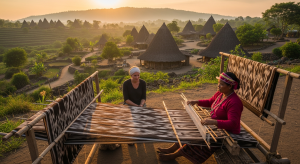
A Complete Cost Guide for Komodo Agricultural Vacation Packages
- Accommodation: Luxury eco-lodges and private villas constitute 40-50% of the total cost.
- Experiences: Private guided tours of farms, pearl cultivation sites, and marine reserves are key value drivers.
- Logistics: All-inclusive pricing covers private boat charters, gourmet meals, and conservation fees.
The air on Flores hangs thick with the scent of volcanic soil and roasting coffee, a fragrant counterpoint to the sharp, briny tang of the Savu Sea. Aboard a private phinisi schooner, the gentle thrum of the engine is the only sound breaking the morning calm as you glide towards a secluded bay. This is not just a trip to see the famed dragons; this is an immersion into the rich, agricultural soul of the Komodo archipelago. For the discerning traveler, understanding the investment required for such an experience is the first step. The world of komodo agro tourism is one of bespoke itineraries and unparalleled access, where the price tag reflects a deeper, more authentic connection to the land and its people. This guide deconstructs the costs, revealing what truly goes into crafting a journey of this caliber.
Deconstructing the Base Price: What’s Included in a Luxury Agrotourism Package?
When evaluating komodo agricultural vacation packages, the initial figure can seem substantial. A week-long, fully-inclusive solo journey can start at $8,000, while a couple’s retreat in a private villa with a dedicated staff might approach $30,000. It is essential to understand that this is not a conventional vacation. The base price is an all-encompassing figure designed for seamless, frictionless travel. Typically, this includes five-star accommodation, whether in a sustainably designed lodge or a sprawling private estate. All meals are part of the package, often curated by a private chef focusing on hyper-local ingredients—think line-caught snapper grilled over coconut husks or salads featuring greens from an on-site hydroponic garden. A significant portion of the cost is allocated to your private guide and logistics team. This is not a group tour; it’s a dedicated expert, often a trained biologist or agronomist, who is with you for the duration, tailoring each day to your interests. All inter-island transport, usually via a private speedboat or a chartered schooner, is covered, eliminating the logistical headaches of navigating the 29 islands within the Komodo National Park. Entrance fees and the recently implemented conservation levies, which can be upwards of $250 per person, are also bundled in, ensuring your visit directly supports the preservation of this UNESCO World Heritage Site. This model contrasts sharply with a la carte luxury travel, where the final bill can be inflated by 25-40% with ancillary charges.
Accommodation Tiers: From Eco-Lodges to Private Seafront Villas
The single largest variable in any Komodo agrotourism budget is lodging. The options are far removed from standard hotels, focusing instead on privacy, sustainability, and integration with the landscape. At the entry point for luxury, one finds sophisticated eco-lodges. These properties, often with fewer than 10 individual bungalows, might command a rate of $800 to $1,500 per night. They feature locally sourced materials, advanced water conservation systems, and organic gardens that supply their kitchens. While luxurious, the emphasis is on a refined, rustic connection to nature. For a more expansive experience, private villas represent the next tier. A two-bedroom villa with a private infinity pool overlooking the Flores Sea can range from $2,000 to $4,000 per night. These often come with a dedicated butler and chef, and the price reflects a higher degree of personalization and space—often exceeding 3,000 square feet of private living area. At the apex are the exclusive-use private islands or multi-villa estates. These are for travelers seeking absolute seclusion and are priced from $10,000 per night and up. For this, you receive a fully staffed property, a private fleet of boats, and the ultimate freedom to dictate your schedule. According to Alex DeLarge, a luxury travel consultant with an Indonesia focus, “The choice isn’t just about a room; it’s about the entire ecosystem. A villa booking includes the staff, the privacy, and the curated environment that allows for true disconnection.” You can explore a more detailed breakdown in our Komodo Agrotourism Pricing & Cost Guide.
The Cost of Experience: Curated Agricultural and Marine Activities
The essence of a Komodo agricultural vacation lies in its unique, private experiences, which are factored heavily into the package cost. These are not items you can book off a menu at a tourist kiosk; they are privately arranged excursions that provide profound insight into the region’s economy and ecology. For instance, a half-day private tour of a specialty arabica coffee plantation on the volcanic slopes of Flores, led by the farm’s owner, might be valued at $400 per person. This includes a private roasting and cupping session. A visit to a sustainable pearl farm in a remote bay, where you learn about the cultivation of South Sea pearls from a marine biologist, could be priced at $600 per couple, including a speedboat transfer and a fresh seafood lunch. The iconic dragon encounter is also elevated. Instead of a group trek on Rinca or Komodo Island, a luxury package includes a private ranger and naturalist. This allows you to track the Komodo dragon (Varanus komodoensis), a creature that can grow up to 3 meters long, away from the crowds, often during the cooler, more active hours of the early morning. This exclusive access carries a premium of around $1,000 for a small private group. Marine activities are similarly bespoke. A full-day private charter to Manta Point and the vibrant coral gardens of Siaba Besar, with a private divemaster and onboard chef, will typically be valued at $1,500 to $2,500, depending on the vessel’s size and amenities. These costs cover not just the activity itself, but the expertise, equipment, and exclusivity that define the experience.
Transportation and Logistics: Getting to and Around the Komodo Archipelago
The remote beauty of the Komodo archipelago is a key part of its allure, and the logistics of reaching and navigating it are a significant component of any package cost. The journey begins with a flight to Komodo Airport (LBJ) in Labuan Bajo on the western tip of Flores. Commercial flights from major hubs like Bali (DPS) or Jakarta (CGK) are frequent, with carriers like Garuda Indonesia and Batik Air. A round-trip economy ticket can range from $150 to $400, while business class is typically $500 to $800. For ultimate convenience, some ultra-luxury packages include private jet charters to LBJ, a service that can cost upwards of $20,000 from regional hubs. Once in Labuan Bajo, ground transfers in a private, air-conditioned vehicle are standard. The real cost, however, lies in marine transport. Navigating the islands requires a seaworthy vessel, and packages eschew public ferries for private options. A private speedboat, essential for quick day trips to various snorkeling sites and islands, costs between $800 and $1,500 per day to charter with a captain and crew. For multi-day exploration or for those who wish to live aboard, a traditional phinisi schooner is the vessel of choice. A modern, luxuriously appointed 3-cabin phinisi can cost between $4,000 and $7,000 per night for a private charter. These floating boutique hotels are fully staffed and equipped, offering the most elegant way to explore the archipelago’s 1,700 square kilometers of marine protected area. These transport costs are integral to the seamless experience promised by top-tier operators.
Dining, Gratuities, and Ancillary Expenses
While high-end komodo agricultural vacation packages are largely all-inclusive, it’s wise to budget for a few additional expenses. The culinary program is a highlight, but premium alcoholic beverages are often an additional charge. While local Bintang beer and a selection of house wines might be included, a request for vintage Champagne or a specific single-malt Scotch will appear on your final bill. Expect to pay a premium of 20-30% over retail prices. A specially arranged private dinner on a deserted sandbank, complete with a bonfire and personal chef, might be offered as an optional experience for an additional $500 per couple. Gratuities are another key consideration. While not always mandatory, tipping for exceptional service is customary in the luxury sector. Many operators will suggest a guideline, often 10-15% of the total package cost, which is then pooled and distributed among the entire staff—from the head guide to the boat crew and housekeeping. For a $20,000 trip, this could mean an additional $2,000 to $3,000. Finally, be aware of incidental purchases. You might want to buy vanilla beans directly from a farmer, purchase a locally harvested pearl, or acquire hand-woven ikat textiles from a village artisan. While credit cards are accepted at high-end lodges, having around $500 in local currency (Indonesian Rupiah) is advisable for these smaller, direct-from-producer purchases. For a comprehensive overview of what to expect, The Definitive Komodo Agrotourism Guide offers further insights into planning your journey.
Quick FAQ on Komodo Agricultural Vacation Packages
Navigating the details of booking a trip of this nature often brings up specific questions. Here are some rapid-fire answers to common queries from our editorial team’s experience.
What is the best time of year to visit for the best value?
The peak season runs from July to August, coinciding with the dry season and European holidays. For better value, consider the shoulder months of April-May and September-October. The weather is still excellent, with fewer boats on the water, and you may find package prices are 10-20% lower than in the high season. The rainy season, from December to February, sees the lowest prices but can involve unpredictable seas and weather.
Are the Komodo National Park conservation fees always included?
In virtually all reputable luxury packages, yes. The fee structure has been a topic of discussion, with proposed increases aiming to fund conservation and limit visitor numbers. As of early 2024, the comprehensive fee is approximately IDR 3,750,000 (about $260 USD) per person. A transparent operator will itemize this in their proposal. Always confirm it is included to avoid a significant surprise charge upon arrival.
How far in advance should I book my vacation?
For the most sought-after private villas and phinisi charters, we recommend booking 9 to 12 months in advance, especially if you plan to travel during the peak season. The limited inventory of high-quality accommodations and expert guides means that last-minute arrangements are often impossible. For shoulder season travel, a 6-month lead time is generally sufficient.
What level of physical fitness is required for these agricultural tours?
The beauty of a private, curated package is that it can be tailored to your fitness level. Treks to see Komodo dragons can range from a gentle 30-minute walk on flat ground to a more strenuous 2-hour hike up a hillside. Farm tours can be adjusted similarly. It is crucial to communicate your abilities and preferences to your travel designer when you Book Komodo Agrotourism, ensuring every activity is both enjoyable and comfortable.
Ultimately, a journey into the world of komodo agro tourism is an investment in exclusivity, education, and profound connection. It is about understanding the delicate balance between the primal power of the dragons and the subtle art of cultivating vanilla, coffee, and pearls. The cost reflects not just a vacation, but a meticulously crafted narrative—one that supports local communities and helps preserve one of the planet’s most extraordinary ecosystems. When you are ready to explore this deeper side of Indonesia, our specialists are prepared to design an itinerary that aligns perfectly with your vision.